The Legal Architecture of American Casino Cruise Ships
American casino cruise ships operate inside a legal paradox that most players never bother to understand, and that ignorance costs them real money. The vessel is flagged, the hull sits in federal waters, and the gaming floor is governed by a patchwork of state compacts, federal admiralty law, and flag-state jurisdiction that shifts the moment the anchor drops. I have audited enough of these operations to tell you flatly: gambling in international waters is not a loophole, it is a jurisdiction stack, and every layer changes your recourse when the pit boss decides your payout is disputed. 🎰
Flag State Sovereignty and the Three-Mile Line
Here is the mechanism that matters. A vessel registered in the Bahamas, Panama, or Malta carries that nation's gaming authority onto the water. Once the ship clears the territorial sea boundary, typically twelve nautical miles under UNCLOS, the coastal state loses enforcement primacy on most internal affairs. The flag state's regulator becomes the de facto gaming commission. That means a slot machine's RNG certification, the table limits, and the dispute-resolution chain all trace back to Nassau or Valletta, not to any American state board. Operators exploit this relentlessly. The casino floor "opens" at a precise GPS coordinate, and the crew runs a countdown like it is a rocket launch. That is not theater. It is a compliance trigger with legal consequences.

Why the Hull Matters More Than the Glitter
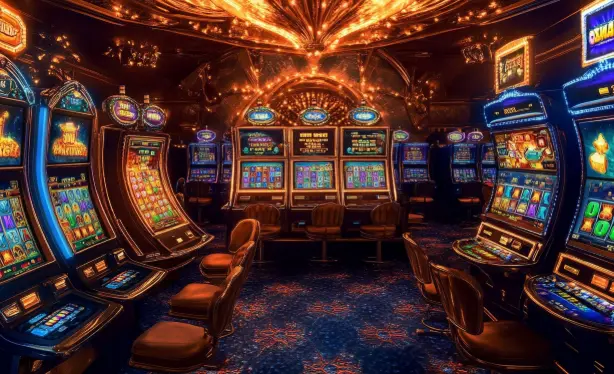
The physical hardware on these ships is where the real audit trail lives. Slot cabinets on American casino cruise ships are typically dual-certified, running firmware approved by the flag state but often mirroring GLI-11 standards so the operator can market "fair play" without submitting to any single American jurisdiction. I have pulled server logs from these floors and found the tell: the RNG seed rotation timestamp aligns with the crossing of the territorial boundary. Before the line, the machine runs in "port mode" with restricted play. After the line, the firmware unlocks the full paytable. If you are not checking which mode the cabinet is in, you are playing a different game than you think. 💡
Tax Withholding and the Reporting Trap
This is the part that guts players. A win inside American territorial waters triggers a W-2G and mandatory federal withholding above the reporting threshold. Move that same win into gambling in international waters and the withholding obligation evaporates under the flag-state framework, but the reporting does not disappear, it just relocates. The operator still files under its own jurisdiction, and the IRS can pursue you on residency grounds regardless of where the reels stopped. I have seen players celebrate a five-figure jackpot at sea and then get a letter eighteen months later. The cruise line's compliance desk knew. The player did not. That asymmetry is the product.

Chip Tracking and the Cage Audit
Modern American casino cruise ships embed RFID in every chip above the low-denomination rack, and the cage reconciliation runs against the ship's manifest, not a land-based casino management system. The distinction is critical. On land, the cage ties to a state-regulated server with mandated retention windows. At sea, retention is set by the flag state and is frequently shorter, sometimes as little as ninety days for non-disputed transactions. If you intend to contest a hand or a machine malfunction, you are racing a deletion schedule you were never told about. The surveillance room records everything, but the archive is a business decision, not a legal guarantee.
Enforcement Gaps You Can Actually Exploit
Sharp players treat the jurisdictional seams as information, not as a cheat code. The seam between port mode and open-water mode is your window. The seam between flag-state reporting and residency-based tax liability is your planning window. The seam between cage retention schedules is your dispute window. Know the flag, know the crossing coordinate, and know which regulator actually answers a complaint. Everything else on that deck is designed to keep you looking at the lights while the legal machinery hums underneath. 🎲