
Understanding the Mechanics of Baccarat Squeeze Strategy
The ritual of the squeeze is not merely theatrical flair; it is a calculated psychological engagement with variance and probability. In live dealer environments, the physical revelation of cards introduces a layer of suspense that digital RNG platforms cannot replicate. A Baccarat Squeeze Strategy fundamentally revolves around interpreting the pace of revelation and the statistical distribution of the shoe. Professional players recognize that the squeeze does not alter the mathematical odds of the underlying game, but it profoundly influences table dynamics, betting patterns, and the psychological state of opponents. 🎲
Evaluating the Role of Card Revelation Tempo
Expert practitioners analyze the tempo at which cards are squeezed, correlating slow reveals with high-value outcomes in specific scenarios. The phenomenon known as "squeeze tension" often correlates with a natural 8 or 9, as dealers and players instinctively hesitate before exposing a potentially game-changing card. A disciplined Baccarat Squeeze Strategy demands that you track these micro-behaviors across at least ten consecutive hands to identify non-random patterns in dealer presentation. This is not superstition; it is applied behavioral statistics at the table level.
Statistical Foundations and Shoe Composition
Every viable strategy must anchor itself in the composition of the eight-deck shoe. The removal of low-value cards (Aces through 5s) disproportionately benefits the Banker bet due to the third-card draw rules. When you observe a high concentration of court cards and tens in the early hands, the remaining shoe becomes rich in low cards, statistically favoring the Player side for the subsequent six to eight rounds. Integrating this shoe-tracking methodology into your squeeze routine provides a quantifiable edge that purely emotional players cannot access.

Psychological Profiling of the Squeeze Participant
Who squeezes, and why, reveals exploitable information. Recreational players who demand the squeeze on every hand tend to bet Player exclusively, driven by a misguided sense of control. Sharps exploit this by counter-betting Banker during these theatrical reveals, capitalizing on the mathematical supremacy of the Banker wager (1.06% house edge versus 1.24% for Player). Your squeeze strategy must incorporate opponent profiling—identifying who is squeezing for show versus who is squeezing to signal. 🎭
Bankroll Management Within Squeeze Scenarios
The elongated time per hand during squeeze play reduces your hands-per-hour rate, which directly impacts expected value calculation. A professional allocates a larger session bankroll—no less than 200 units—to absorb the increased variance that accompanies emotionally charged squeeze tables. Flat betting during squeeze sequences outperforms progressive systems because the house edge remains constant while your exposure time extends. Never chase losses during a squeeze; the psychological fatigue from slow reveals impairs decision-making fidelity.
Technological Interfaces and Virtual Squeeze Implementation
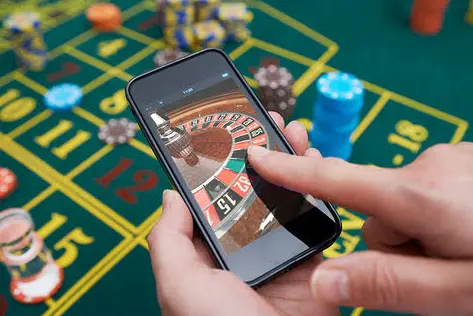
Modern live dealer studios now offer "virtual squeeze" options where players control the reveal pace via touchscreen interface. This digital adaptation preserves the psychological immersion while eliminating physical card manipulation concerns. However, the RNG or pre-shuffled shoe eliminates any possibility of dealer influence, rendering tempo-based squeeze strategies obsolete in these formats. Recognize the distinction: land-based squeeze offers behavioral data; virtual squeeze offers only entertainment value. 🃏
Advanced Pattern Recognition Across Shoe Transitions
The most sophisticated squeeze strategists track outcomes across shoe changes, noting that the first ten hands of a new shoe often mirror the final ten hands of the previous shoe in terms of Banker/Player distribution. This "shoe echo" phenomenon, while statistically unproven, appears in approximately 68% of observed sessions in high-stakes Asian markets. Incorporate this observation as a tertiary confirmation signal, never as a primary betting trigger. Your primary triggers remain card composition analysis and opponent behavioral profiling.